Symposium: From Molyvos, Lesvos to the World: Stories, People and Trajectories from the Archive of the Krallis Family, 1830–1940
Presented By
The Gennadius Library,
American School of Classical Studies at Athens
Speaker(s)
Mariza N. Krallis, Independent researcher working on archives and memory
Maria Mandamadiotou, Historian, Postdoctoral Researcher at the University of Crete
Aytek Soner Alpan, Historian, British Institute at Ankara (BIAA), Middle East Technical University (METU)
Dimitris Krallis, Historian, SNF Center for Hellenic Studies, Simon Fraser University, Canada
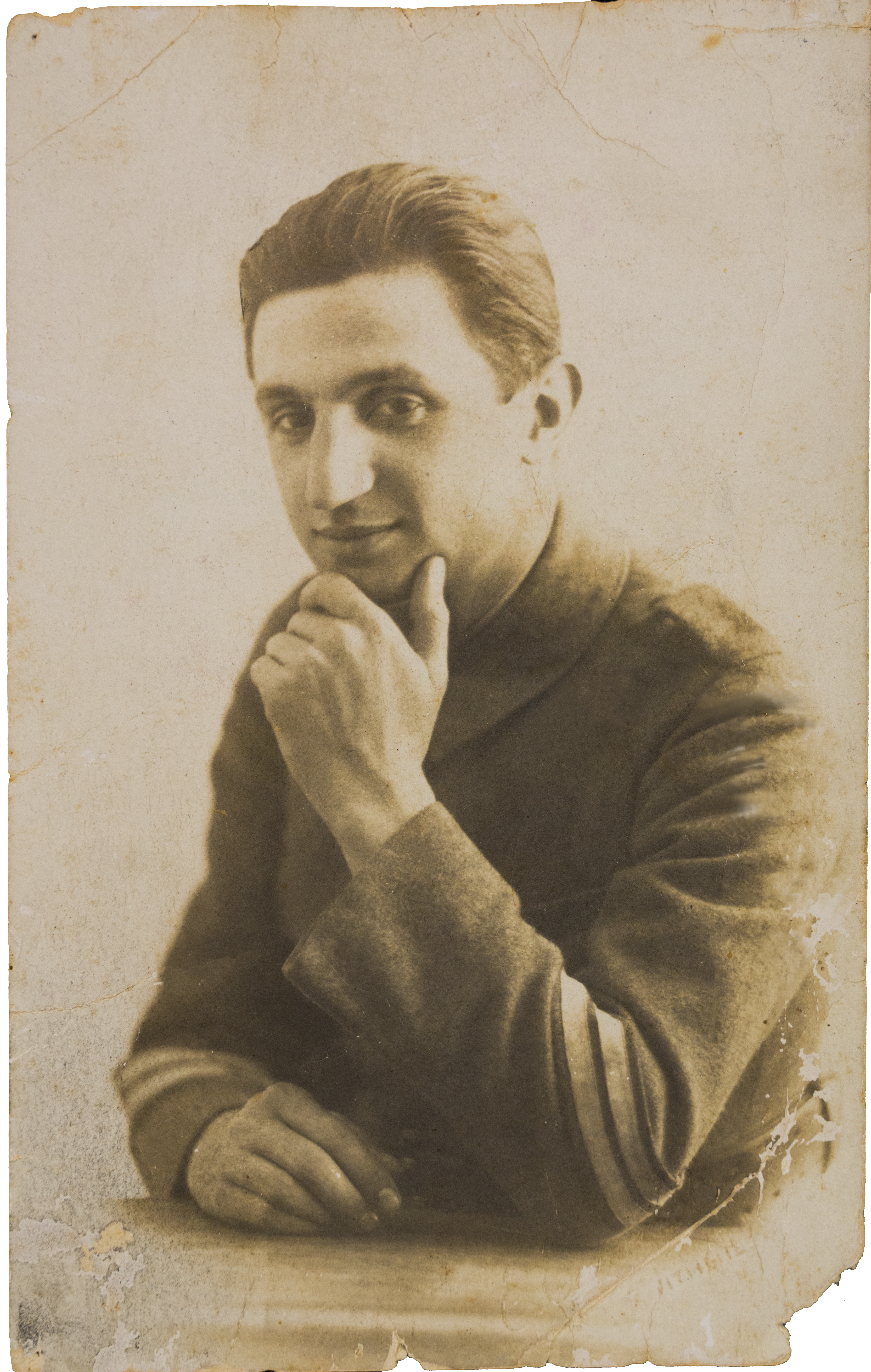
Symposium: From Molyvos, Lesvos to the World: Stories, People and Trajectories from the Archive of the Krallis Family, 1830–1940
Mariza N. Krallis: The World of the Aegean in Microhistories: The Krallis Family of Lesvos (KFL) Archive, 1830–1960.
Maria Mandamadiotou: Family Networks and Trade Routes in the Aegean and the Eastern Mediterranean: The Case of the Krallis Archive (19th century–first half of the 20th century)
Aytek Soner Alpan: From Family Memory to the Ottoman Archive: Images, Documents, and Intersecting Stories of the Aegean
Dimitris Krallis: The Annihilation of Space and Time in the Late Ottoman Aegean: Evidence from Ioannis Komninakis Krallis’ Archive
About the speakers
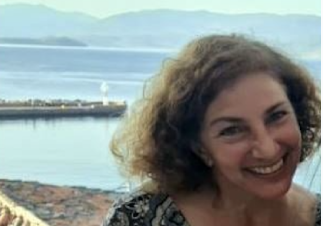 Mariza N. Krallis is the custodian and researcher of her family archive, KFL (Krallis Family Lesvos), which focuses on Mithymna and Lesvos. As an independent researcher of local memory and archival documentation, she has been systematically researching and documenting the archive since 2020. She is a co-founder of the Aegean Stories Vault, a digital repository that catalogues the KFL Archive, combines the catalogued items with the history and memory of the region to create new stories, and highlights testimonies, personal stories, and people’s lives in the Aegean region. She is a graduate of the School of Forestry and Natural Environment at Aristotle University of Thessaloniki, with a master’s degree in Landscape Architecture. She lives in Mithymna, Lesvos, and is actively involved in the local community.
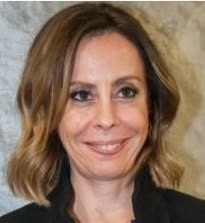
Maria Mandamadiotou is a postdoctoral researcher in the Department of History and Archaeology at the University of Crete. She studied Modern Greek Philology at the University of Ioannina and subsequently pursued postgraduate studies in the Department of Social Anthropology and History at the University of the Aegean. She holds a PhD in History from King’s College London. She has participated in various research projects and her work has appeared, in Greek and English, in books, edited volumes and peer-reviewed journals, including the monograph The Greek Orthodox Community of Mytilene: Between the Ottoman Empire and the Greek State, 1876–1912 (Peter Lang, 2013) and the book Τα νησιά του βορειοανατολικού Αιγαίου. Από την Οθωμανική Αυτοκρατορία στο ελληνικό κράτος, 1876–1940 (co-authored with Professor Nikos Vafeas, Alexandria Publications, 2023).
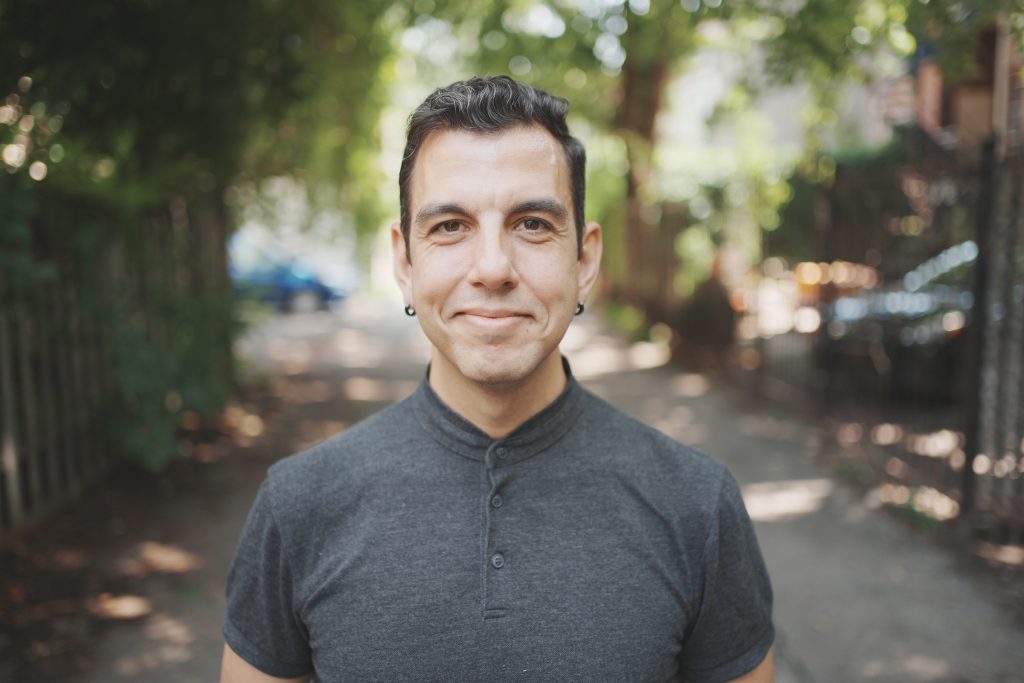 With origins in Turkey and a doctorate from UC San Diego, Aytek Soner Alpan is a historian whose research concentrates primarily on modern Greece and Turkey, particularly on the experience of the 1923 Greco-Turkish population exchange. His book project entitled Trajectories of Displacement: A Comparative Historical Analysis of the 1923 Greco-Turkish Population Exchange offers a broad and long-term analysis of the Greco-Turkish population exchange with an emphasis on the refugee experience. Since the fall of 2024 Aytek has been working closely with Dimitris and Mariza Krallis to develop the Aegean Stories Vault. Fluent in both Greek and Turkish he provides Ottoman history and language expertise essential to this project. He is currently a Postdoctoral Research Fellow at the British Institute at Ankara (BIAA), where he works on the Ottoman Mobilities and Interactions project, and also teaches in the Department of Economics at Middle East Technical University (METU) in Ankara.
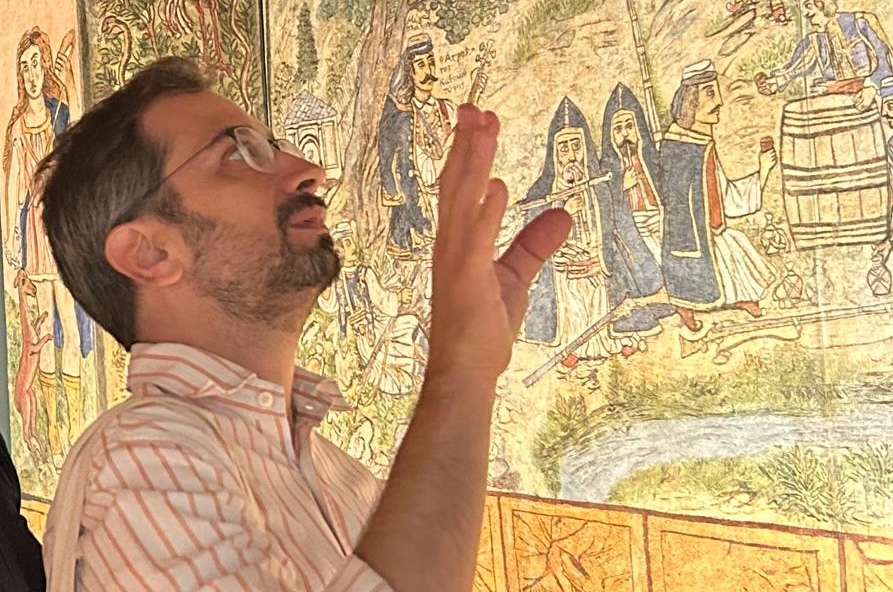 Dimitris Krallis is professor of history in the Department of Global Humanities at Simon Fraser University, on Canada’s West Coast. Dimitris was born in Athens, where he lived through his college years.With studies in political theory at the Kapodistriako, he turned to Byzantine social and political history at Oxford and, after a hiatus dedicated to his mandatory military service and to teaching at the American College of Greece, he pursued his Ph.D. at the University of Michigan. At Simon Fraser University, where he landed after his doctoral studies, he is a historian of the Roman Middle Ages with interests in and work on Byzantine social, political, and intellectual history. As of late he has turned towards the Late Ottoman era and its imprint on the history of Lesvos.
What stories lie hidden in a grandfather's papers? And what can the intimate history of a family in a small Aegean town tell us about empires, nations, and a changing world?
When Mariza Krallis and her first cousin Dimitris Krallis, both with family roots in Molyvos, on the island of Lesvos, began exploring their grandfather's personal archive, they discovered much more than a record of family life. The Krallis Family of Lesvos (KFL) Archive opens a window onto the history and culture of the North Aegean and the wider world to which it was connected.
Dating from the 1830s to the 1940s, this remarkable collection comprises documents in Greek and Ottoman Turkish script. It offers an intimate portrait of a family in northern Lesvos during a period of profound historical transformation. Its contents illuminate not only the family's everyday life, economic activities, social relations, and political and cultural aspirations, but also the shifting worlds of empire, nation, and identity in which it was embedded.
On November 10, 2026, Mariza and Dimitris Krallis, together with their collaborators, Drs. Maria Mandamadiotou and Aytek Soner Alpan, will present different facets of this archive. Their discussion will explore how family collections can open new paths for microhistorical inquiry, revealing how the lives of seemingly small and distant places are woven into larger, interconnected global histories.
The Aegean Stories Vault is the ever-expanding digital expression of an SNF Centre for Hellenic Studies led community engagement, memory preservation, archival documentation, and story-telling work in Northern Lesvos. Our work unfolded over two years, as in 2024 and 25, teams of scholars and students from Canada, the US, Greece, and Turkey engaged with the people, built environment, culture, and the landscapes of Molyvos and its environs.
Available in three languages (English and Greek, and Turkish) the Aegean Stories Vault starts from individual experiences to tell the story of the local community and demonstrate the connected nature of life in this corner of one island in the Aegean. Ongoing archival work, research on, and digitization of local family records revealed connections that extend from Vermont to Beijing, Paris to Morocco, and Bucharest to Khartoum in the Sudan.
The Aegean Stories Vault was made possible by Gefyra (bridge), the pilot project grant that SFU and UCLA received from the Stavros Niarchos Foundation in order to connect the SNF’s Hellenic Centres operating in those two universities, while also throwing bridges towards Greece proper. Under the auspices of Gefyra, UCLA led teams to Lakonia and the town of Geraki, while SFU operated in Lesvos and Molyvos. The two teams worked independently but remained in constant communication, as they compared notes and shared participants.